What iS 9-Man Volleyball?
9-Man is a variation of volleyball with deep roots in the Chinese American community. It's a tradition shaped by resilience, friendship, and generations of players who have passed it forward.
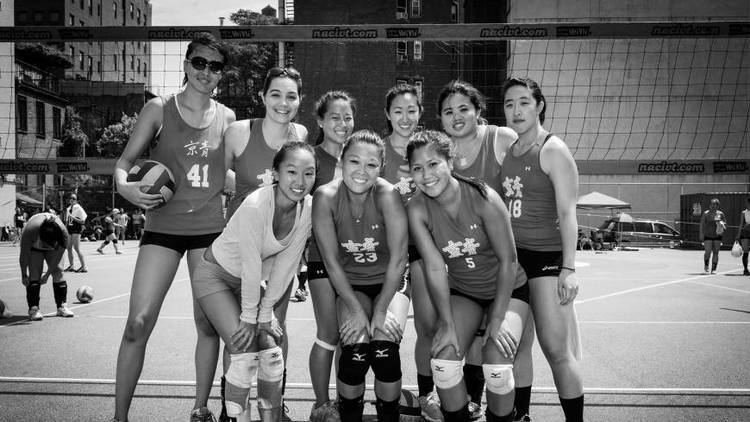
Every Labor Day weekend, thousands of players, coaches, families, and spectators gather from across U.S. and Canada for the North American Chinese Invitational Volleyball Tournament (NACIVT)—celebrating not only competition, but a community almost a century in the making.

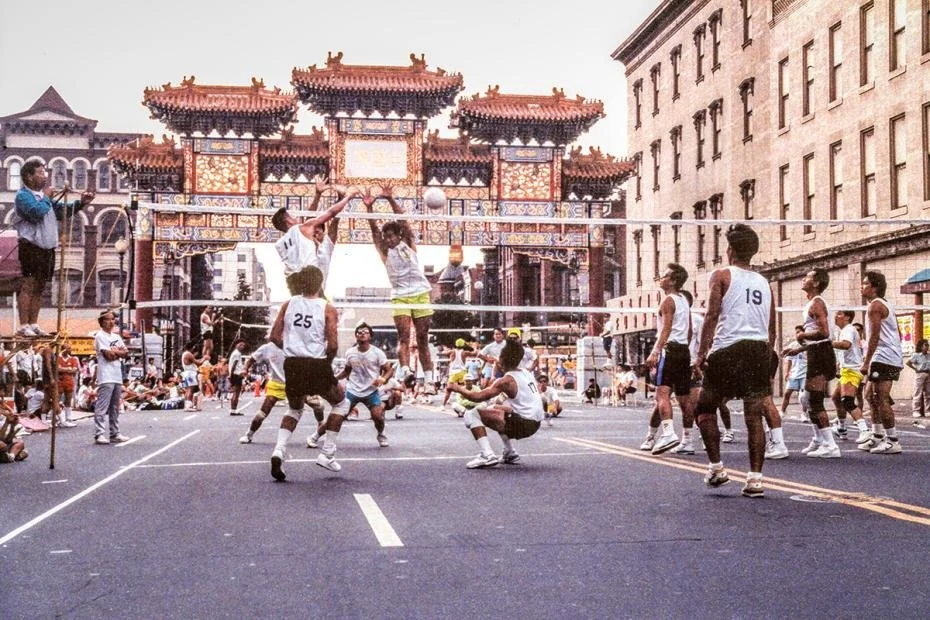
A Game Shaped by History
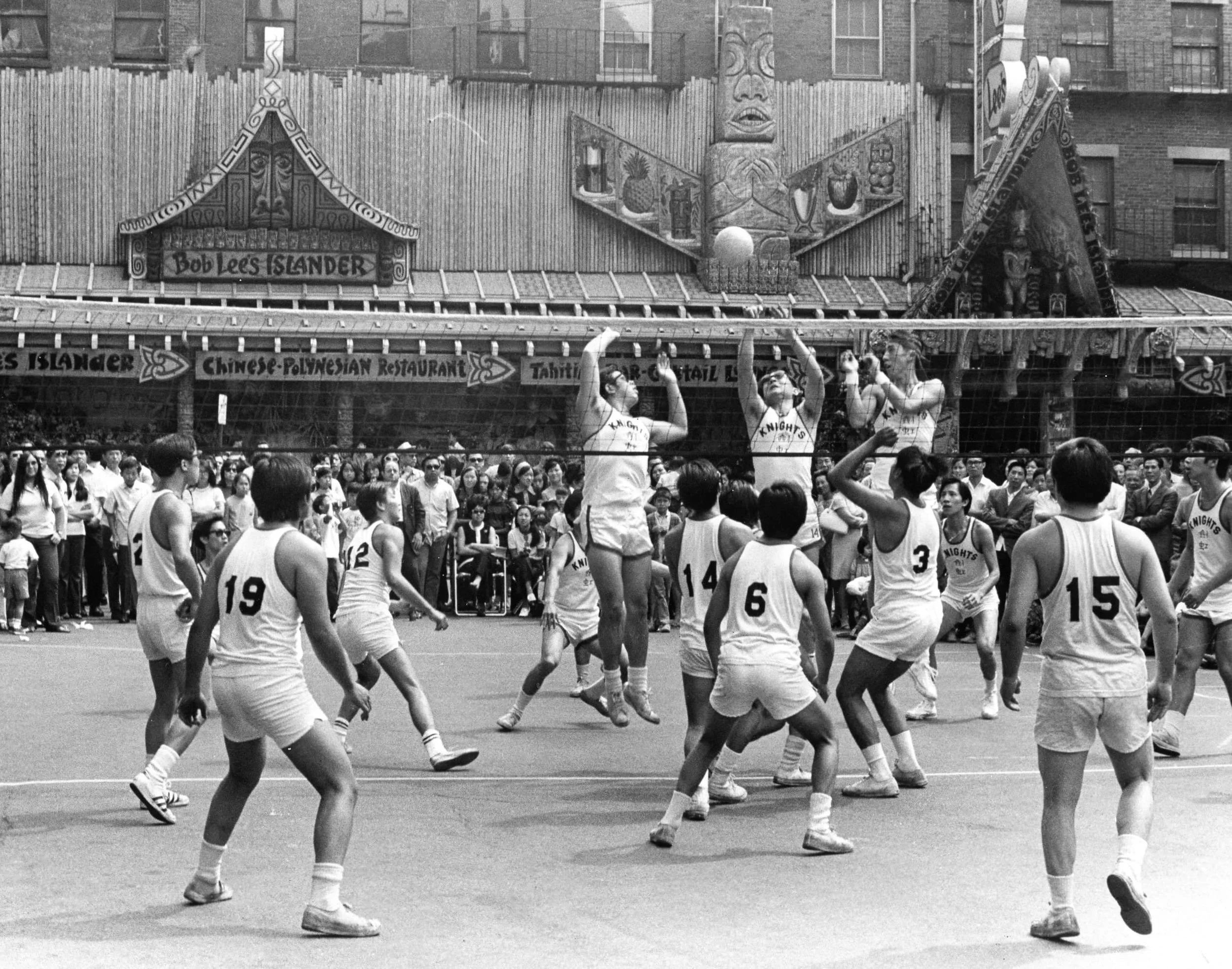
The beginning of 9-Man traces back to Taishan (Toisan), a region in China's Guangdong province, where early forms of volleyball was played. As immigrants from Taishan settled in North American Chinatowns during the early twentieth century, they brought the game with them.
But the America they arrived in wasn't welcoming.
The Chinese Exclusion Act of 1882 became the first U.S. law to prohibit immigration based on race and remained in effect for more than 60 years, separating families, denying citizenship, and restricting opportunities for Chinese immigrants. Shut out of many public spaces, athletic clubs, and recreational leagues, Chinese communities created their own places to gather.
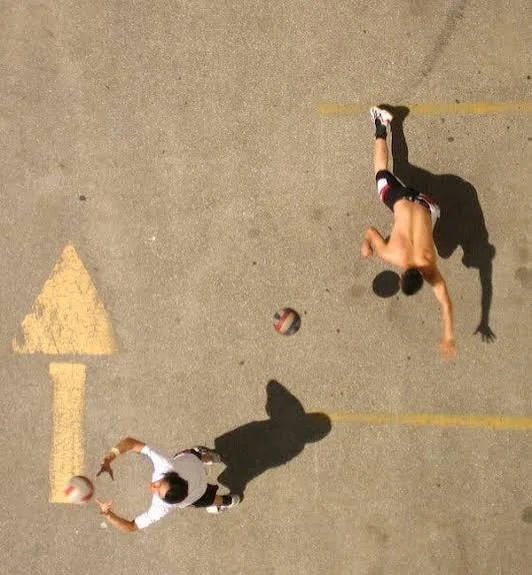
9-Man was born out of these circumstances: Nine players allowed more people to participate. Streets, parking lots, and alleyways became volleyball courts. Labor Day — one of the few guaranteed days off for restaurant and laundry workers—became the perfect weekend for teams from different cities to travel, compete, and reconnect.
More Than a Tournament
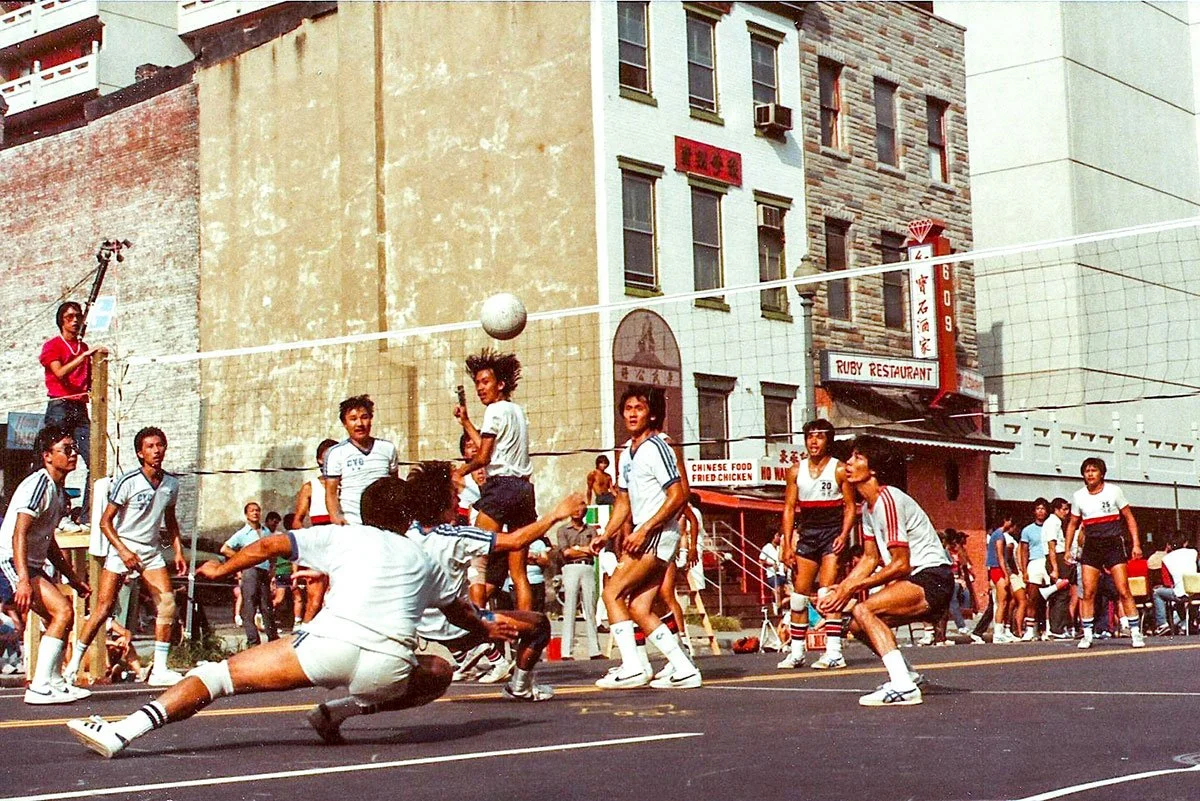
Chinese American teams began organizing inter-city tournaments in 1938. Six years later, the first annual NACIVT was held in Boston. Those early competitions grew into what is now the North American Chinese Invitational Volleyball Tournament.
What began as a competition became a time for reunion. Teams, coaches, rivals, and lifelong friends return every Labor Day weekend from across North America to participate in NACIVT. We may represent different cities and different teams, but we are all connected by the same tradition that brought the first Chinatown communities together.
Gather
•
Compete
•
Belong
•
Gather • Compete • Belong •
Women's 9-Man
Most accounts of 9-Man focus on the men's game. Here's a side that doesn't always get told:
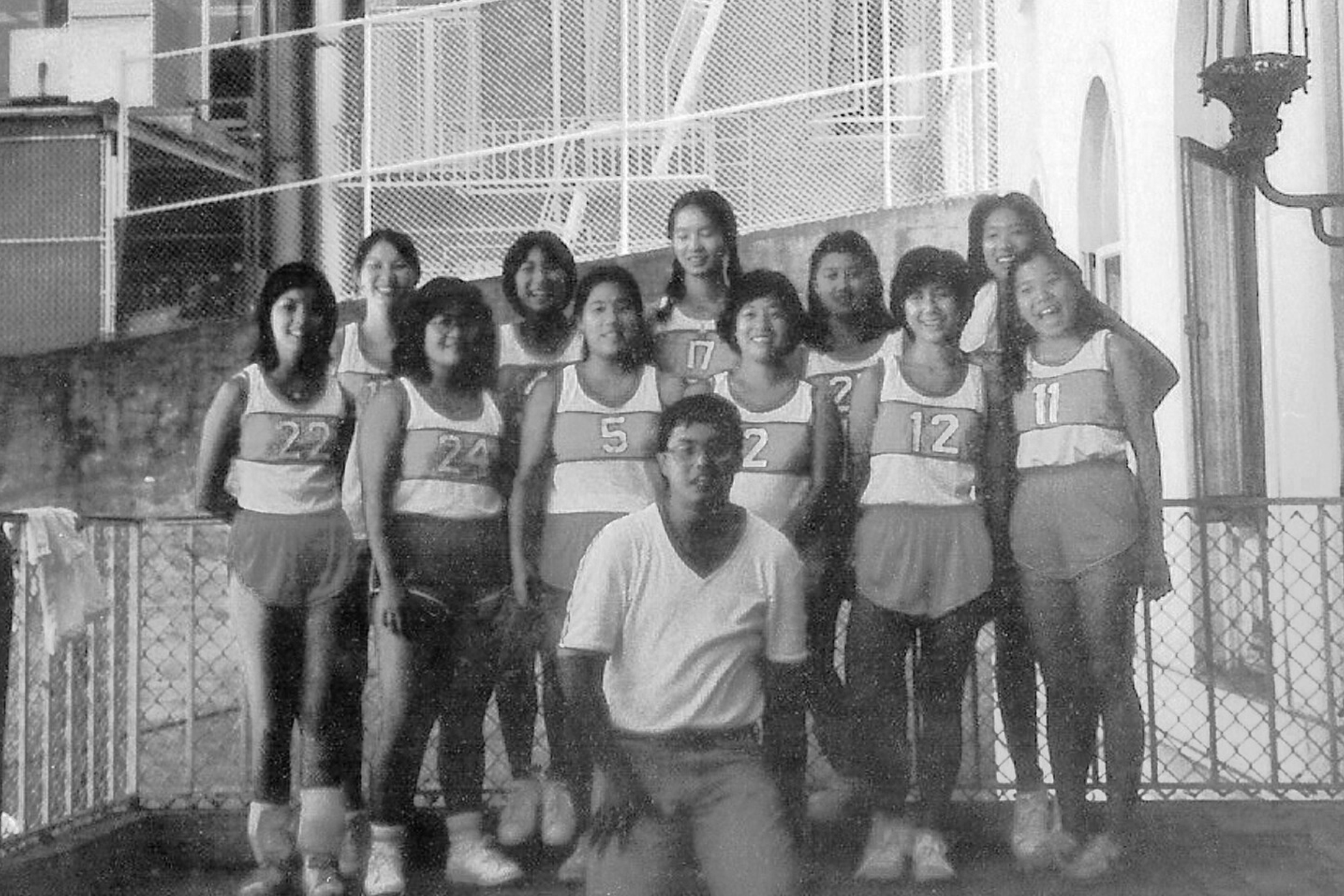
From the start, 9-Man was played only by men. Women's competition wasn’t officially added to NACIVT until 1977—less than half the lifespan of the men's division.
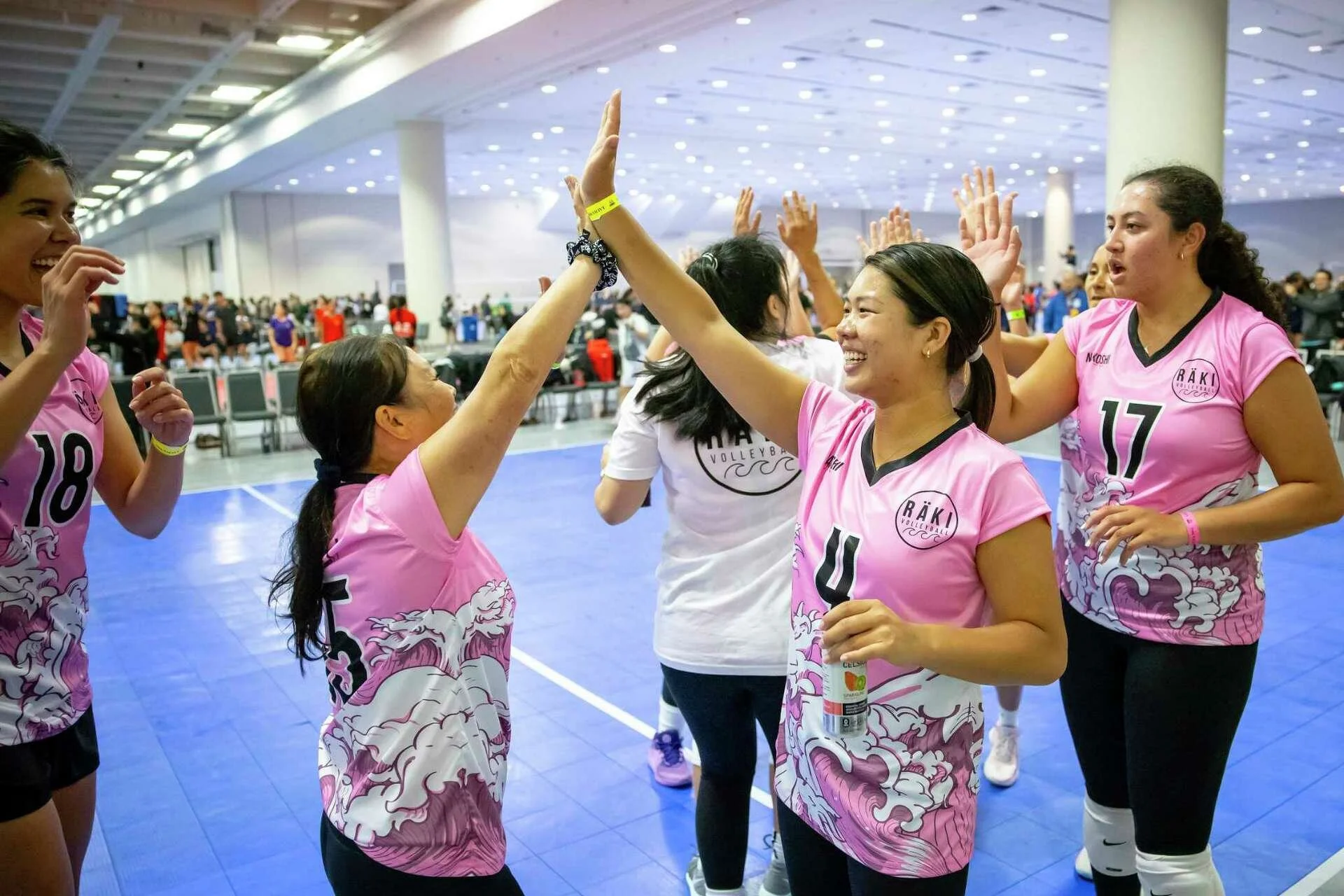
Even in that shorter history, the women's division has grown fast: 71 teams competed in 2023, 83 in 2024, 90 in 2025, and 104 in 2026. This growth shows in the level of play, too. Justine Wong-Orantes is the only woman of Chinese American heritage to represent Team USA in Olympic volleyball. Yet she's still played at NACIVT in recent years, staying connected to her family's roots in the 9-Man community and proving that reaching the highest level of the sport doesn't mean leaving this tradition behind.
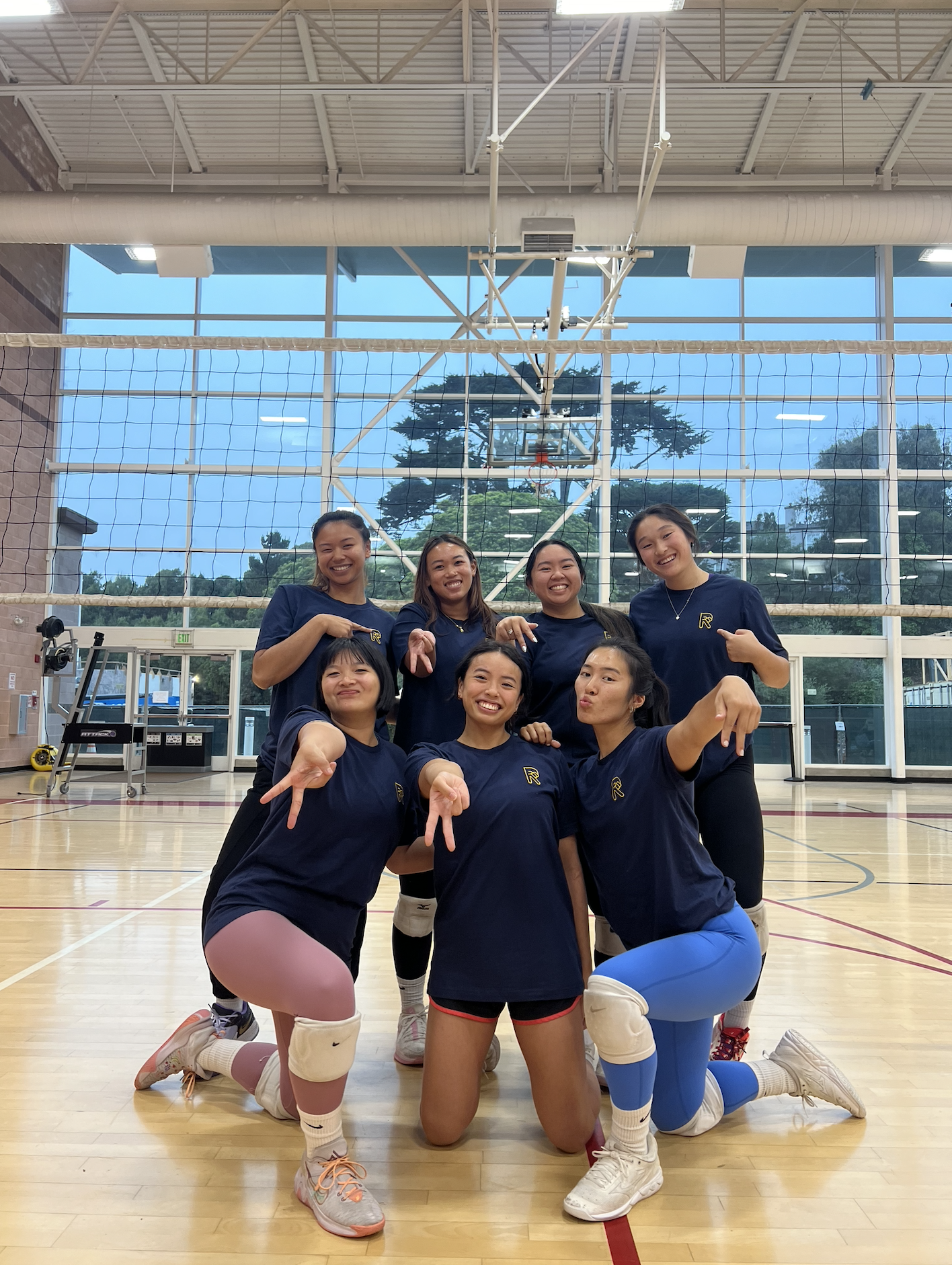
This isn't just history to us. This is our story now, too, and we want to be part of the reason women's 9-Man keeps growing.
Read OUR STORY.
Learn more about 9-man
9-Man Documentary (2014)
A feature documentary that tells the story of 9-Man through the players, families, and communities who have kept the tradition alive for generations.
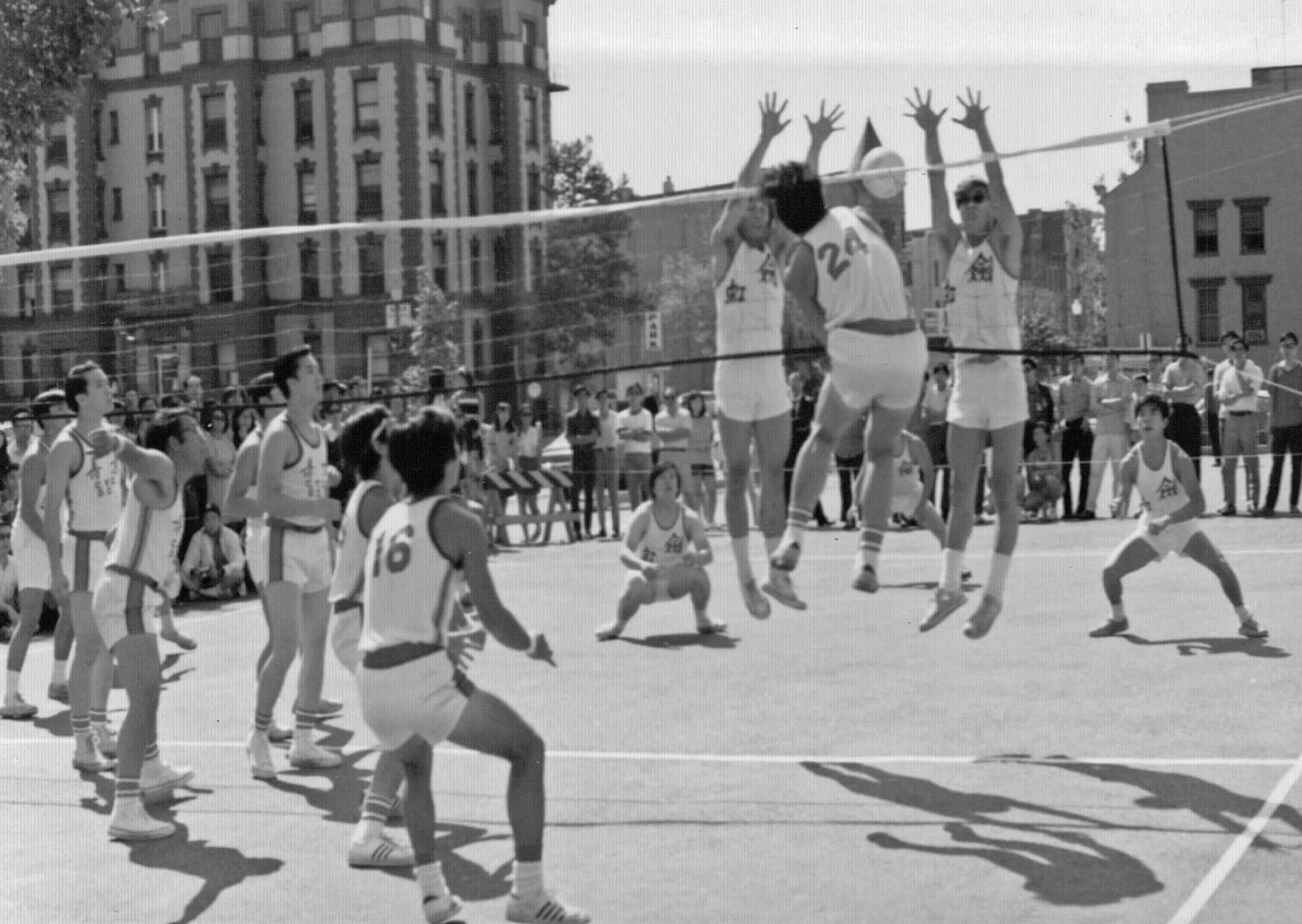
The Washington Post
A thoughtful look at the origins, traditions, and cultural significance of 9-Man volleyball, and the community that continues to sustain it today.
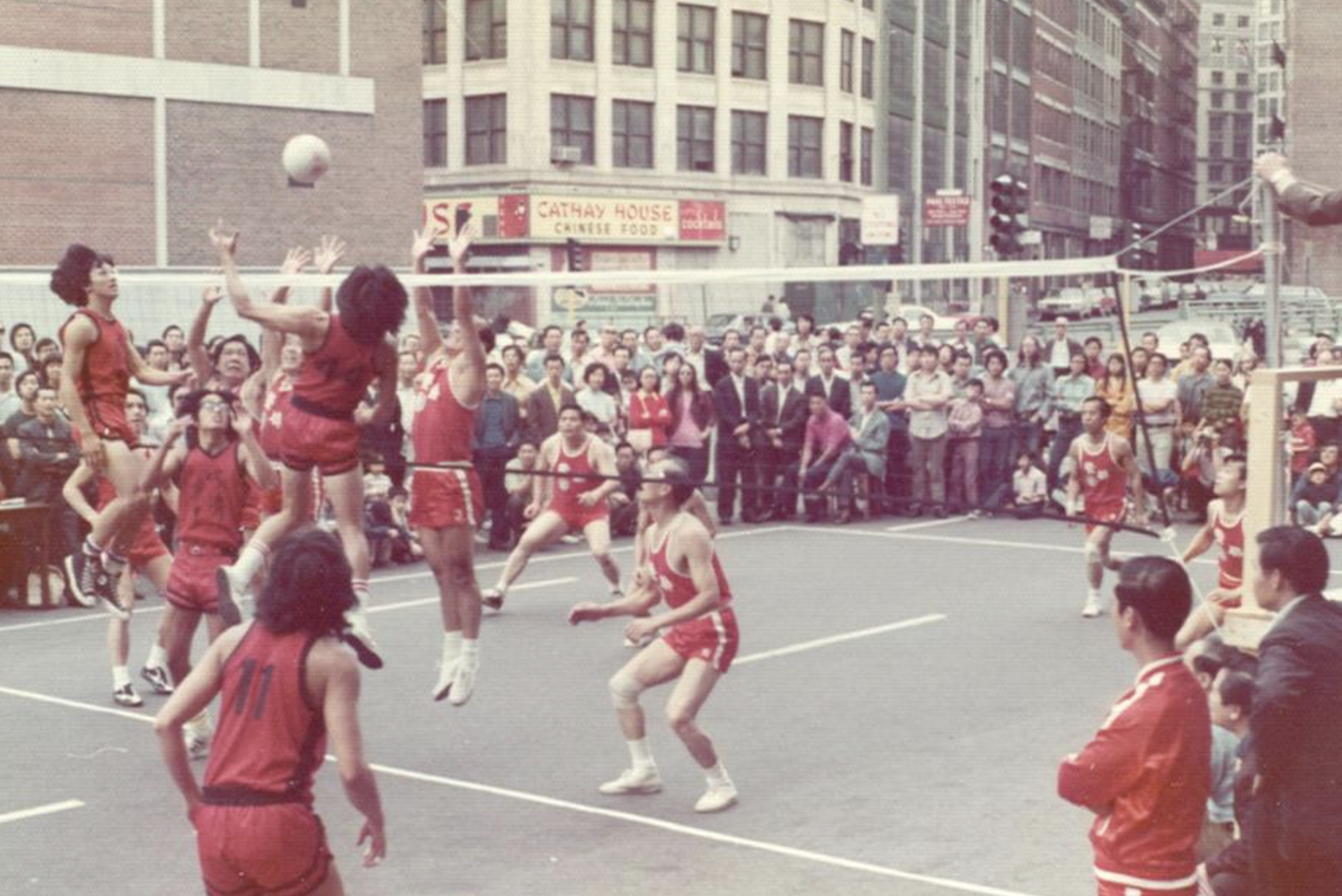
Smithsonian Folk Magazine
An exploration of the role 9-Man has played in preserving Chinese American heritage, identity, and community across generations.
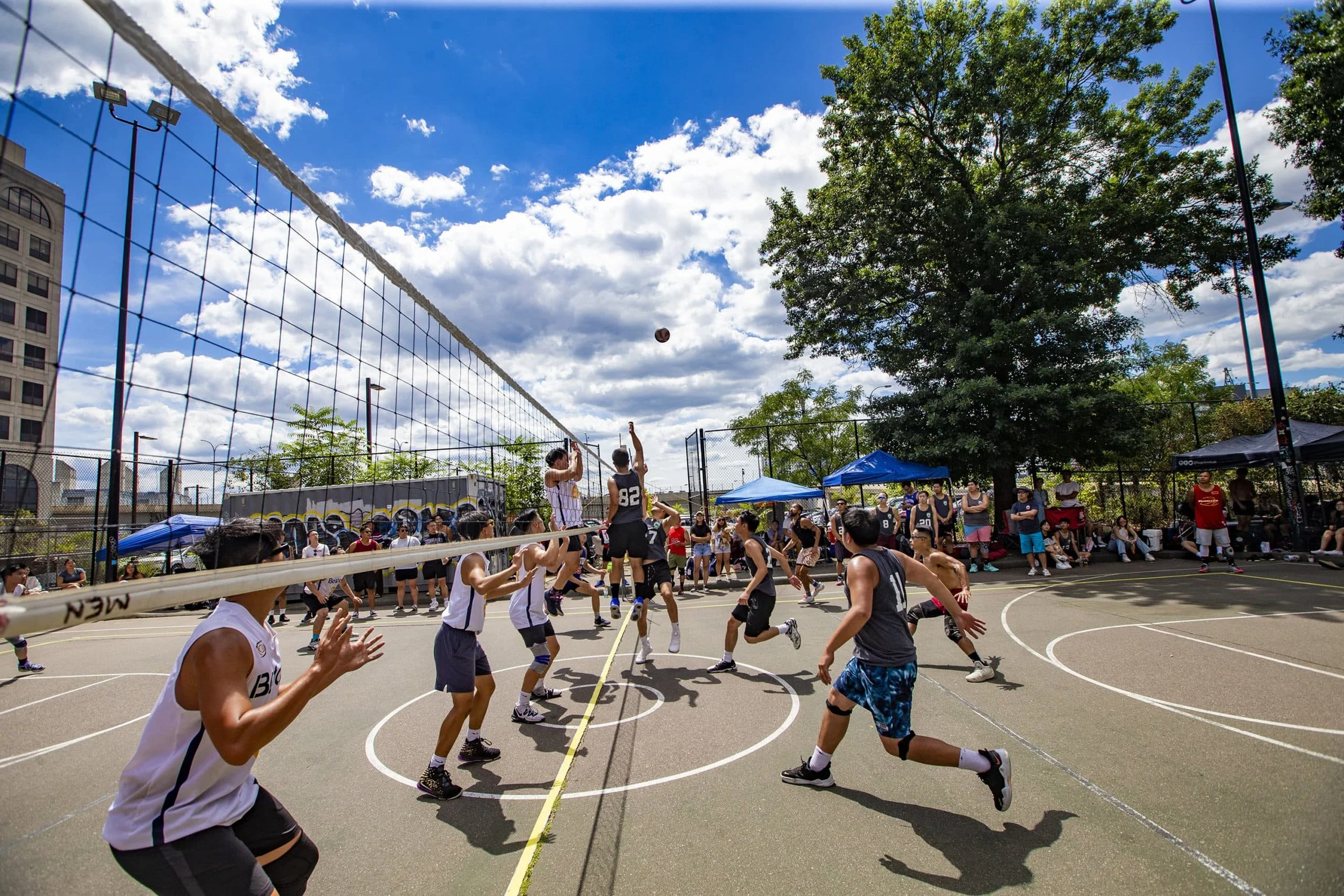
WBUR
How 9-Man grew into one of North America's longest-running Asian American sporting traditions.